

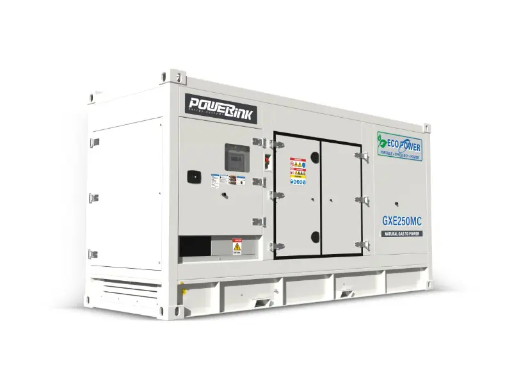
A reliable power supply is essential for keeping modern facilities operating smoothly. Whether it is a manufacturing plant, commercial building, healthcare center, or industrial site, unexpected power interruptions can affect productivity, safety, and overall performance. Selecting the right energy solution helps organizations maintain continuous operations and protect critical equipment.
A gas generator provides a dependable source of electricity by converting natural gas into usable power. With different sizes, capacities, and features available, choosing the right system requires careful consideration of facility requirements, energy demands, and long-term operational goals.
Understanding the Importance of the Right Generator Choice
Every facility has unique power requirements. A small commercial building may need a different solution compared to a large industrial plant with heavy machinery and continuous energy consumption.
Choosing an unsuitable generator can lead to inefficient performance, higher operating expenses, and reduced reliability. The correct system should provide enough power capacity while maintaining fuel efficiency and dependable operation.
Modern gas generators are designed to support various applications by offering flexible configurations that match different facility needs.
Key Factors to Consider When Selecting a Gas Generator
Power Capacity and Load Requirements
The first step in choosing a generator is understanding the facility’s electricity demand. The system should be capable of handling essential equipment, operational loads, and future expansion requirements.
An accurately sized generator ensures stable performance without unnecessary fuel consumption. A system that is too small may struggle under heavy demand, while an oversized unit may increase costs without providing additional benefits.
Fuel Availability and Efficiency
Fuel supply plays an important role in generator selection. Facilities using natural gas must consider availability, connection requirements, and operating conditions.
Efficient gas generators help businesses manage energy costs by optimizing fuel usage. Advanced models are designed to deliver strong output while reducing unnecessary energy waste.
Reliability and Operating Performance
Power reliability is critical for facilities where downtime can create serious problems. A high-quality generator should provide consistent performance during emergencies or extended operating periods.
Features such as automatic startup, monitoring systems, and advanced controls help ensure that the generator responds quickly when power is needed.
Maintenance and Service Support
Long-term generator performance depends on proper maintenance. Before selecting a system, facilities should consider servicing requirements, spare parts availability, and technical support.
A well-maintained gas generator can provide reliable operation for many years while reducing unexpected repair costs.
Applications of Gas Generators in Different Facilities
Gas-powered systems are used across many industries, including:
-
Manufacturing facilities
-
Data centers
-
Hospitals and healthcare buildings
-
Educational institutions
-
Commercial offices
-
Warehouses
-
Agricultural facilities
-
Industrial processing plants
Their flexibility makes them suitable for both backup power and continuous energy generation.
Benefits of Installing the Right Generator System
Choosing the appropriate generator provides several advantages, including:
Improved Energy Security
A reliable generator reduces dependence on the external power grid and helps facilities continue operations during outages or unstable electricity conditions.
Better Cost Management
Efficient generator systems help businesses control energy expenses by providing an economical power solution. Proper sizing and fuel management contribute to long-term savings.
Enhanced Operational Efficiency
A dependable power source allows employees, machinery, and essential systems to continue working without unnecessary interruptions.
Future Considerations for Generator Selection
As energy needs continue to change, facilities must choose power solutions that can adapt to future requirements. Modern gas generators offer advanced technology, improved efficiency, and better monitoring capabilities.
Investing in the right generator system today can help organizations achieve greater reliability and prepare for future energy demands.
Conclusion
Choosing the right gas generator is an important decision for any facility that requires stable and efficient power. By evaluating capacity, fuel efficiency, reliability, and maintenance requirements, businesses can select a solution that supports their long-term goals.
With the growing demand for dependable energy systems, gas generators continue to provide a practical and effective option for facilities seeking consistent performance and improved energy management.