Understanding AI Age Estimation Technology
As advancements in artificial intelligence (AI) continue to reshape our lives, one intriguing application that's gaining popularity is AI age estimation technology. This innovative field allows users to upload photographs and leverage algorithms to estimate how old they appear. Whether driven by curiosity or the desire for a fun social media post, this technology is catching the attention of many. For those interested in exploring their perceived age, platforms like how old do i look provide valuable insights into age estimation.
What is AI Age Estimation?
AI age estimation is a process that employs machine learning algorithms to analyze facial features and characteristics from photographs. By evaluating factors such as wrinkles, skin texture, and facial structure, these algorithms can predict a person's perceived age. As a result, users can gain insights into how old they may appear to others, without the need for invasive procedures or tedious calculations.
How Does the Technology Work?
The underlying technology of AI age estimation combines multiple disciplines, including computer vision, image processing, and deep learning. Through the use of convolutional neural networks (CNNs), these systems can learn from vast datasets of facial images to understand the nuances associated with aging. During the estimation process, users simply upload a photo, after which the AI analyzes the image and returns an age estimate along with possible suggestions for skincare or lifestyle changes that could enhance their appearance.
Common Misconceptions About Accuracy
While many users are captivated by AI age estimation technology, there are misconceptions regarding its accuracy. It's essential to remember that these tools are based on statistical models and can only provide estimates. Factors such as lighting, angle, and photo quality significantly affect outcomes, leading to varying results across different platforms. Users should approach the results as a fun experiment rather than a definitive indicator of their biological age.
Common Mistakes When Using Age Estimation Apps
Many users may not achieve reliable results due to common mistakes when utilizing AI age estimation applications. Being aware of these pitfalls can greatly enhance the experience.
Neglecting Photo Quality
One of the most critical factors affecting age estimation accuracy is the quality of the uploaded photo. Low-resolution images, poor lighting, and obstructions can all hinder the algorithm's ability to analyze facial features accurately. It’s advisable to use high-resolution images taken in good lighting conditions for optimal results.
Ignoring Contextual Factors
Contextual elements such as expression, hairstyle, and even makeup can influence the AI's analysis. Users may inadvertently mask signs of aging with certain expressions or cosmetics, leading to an inaccurate age estimate. To obtain reliable results, it’s better to present a neutral expression and minimize additional enhancements.
Overlooking Privacy Settings
When engaging with AI age estimation tools, users must also be mindful of privacy. Many applications collect user data, including images. It's essential to review the privacy settings and terms of service for each platform to ensure personal data remains secure.
How to Optimize Your Experience with Age Estimation
To ensure an enjoyable and insightful experience with age estimation technology, consider implementing some of the following tips.
Choosing the Right Lighting and Background
Good lighting is vital for accurate age estimation. Natural light is generally the best option; however, if that’s not available, using diffused artificial light can help. It’s also important to select a simple background that doesn’t distract from the face, allowing the AI to focus on the features being analyzed.
Understanding the Algorithm’s Limitations
Users should familiarize themselves with how the algorithms function, recognizing that they are trained based on specific datasets. As a result, age estimates may vary from one application to another depending on their training and underlying technology. This understanding helps set realistic expectations about the results produced.
Tips for Uploading Photos Like a Pro
When uploading photos, ensure the face is clearly visible and facing the camera. Avoid any heavy filters or editing, as they can distort facial features that the algorithm is meant to analyze. A direct, frontal image without distractions yields the best outcomes.
Real-Life Applications of Age Estimation Technology
AI age estimation technology is not just limited to personal use; it has a variety of applications across different industries.
Social Media Engagement and Self-Expression
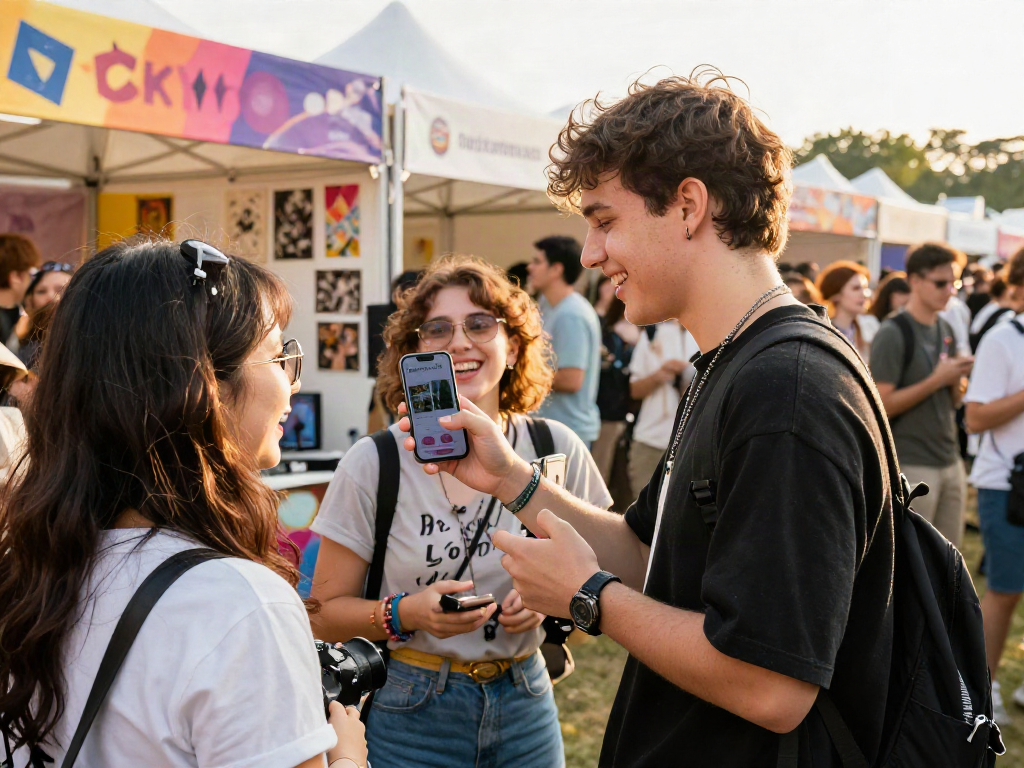
With the rise of social media, many users enjoy sharing their age estimations as a form of engagement and self-expression. Fun challenges and trends encourage people to upload their images for age estimation, fostering community interaction and entertainment.
Utilizing Age Estimation for Marketing
Businesses and marketers are increasingly leveraging AI age estimation tools to better understand their target audiences. By analyzing customer demographics visually, brands can create personalized marketing strategies, enhancing engagement and response rates.
Case Studies from Business Implementations
Several brands have utilized AI age estimation technology to enhance user experiences. For instance, a skincare company integrated age estimation into its website, allowing potential customers to receive tailored product recommendations based on perceived age. This innovative approach not only improved customer satisfaction but also increased sales conversion rates.
Future Trends in Age Estimation Technology
As technology continues to evolve, the future of age estimation holds exciting possibilities. Here are some trends to watch for as we move into 2026.
Emerging Features for Users in 2026
New features are anticipated to enhance user interaction with age estimation tools. For example, real-time age estimation during video calls could offer users immediate insights into their perceived age while also providing recommendations for virtual filters that may enhance their appearance.
The Role of AI in Personalization
As AI continues to advance, personalization will become increasingly sophisticated. Age estimation applications may begin to offer customized skincare routines, lifestyle tips, and even product recommendations based on individual facial analyses and age-related concerns.
Predictions for Market Growth and User Engagement
The market for AI age estimation technology is expected to grow significantly as more users become aware of its existence and benefits. As the technology improves, user engagement will likely increase as people share their experiences and results on social media platforms.
What Should Users Expect Moving Forward?
As we look ahead, users should anticipate heightened accuracy, with algorithms continuously refined through machine learning and vast datasets. Future applications may also include augmented reality features that allow users to visualize changes over time based on their skin health and lifestyle adjustments.