Understanding the Importance of Creative Pages for Kids
In an increasingly competitive world, fostering creativity in children is more important than ever. The ability to think creatively not only enhances problem-solving skills but also contributes to overall cognitive development. Creative pages for kids serve as a vital resource in this regard, offering avenues for exploration and expression. These pages can range from coloring templates to interactive activities that stimulate imagination and learning. When exploring options, Pages for kids provide comprehensive insights into methods that can inspire creativity.
Why Creativity Matters in Child Development
Creativity plays a pivotal role in shaping a child’s development. It enhances their ability to express emotions, fosters imaginative thinking, and encourages independence. Engaging in creative activities helps children develop critical thinking skills, improve concentration, and increase resilience. According to studies, children who participate in arts and crafts exhibit higher levels of emotional intelligence, enabling them to navigate social scenarios more effectively.
Pages for Kids: A Tool for Learning and Expression
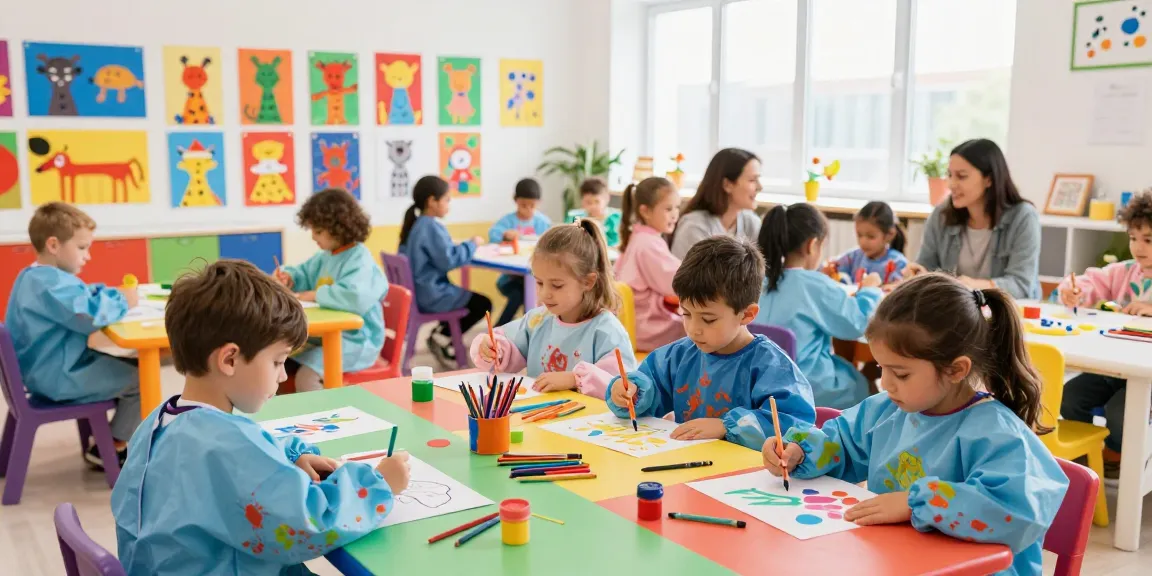
Creative pages are not merely about keeping children busy; they are fundamental tools for learning. These pages can serve as vehicles for educational content, integrating essential skills such as language, math, and social studies into fun activities. By incorporating educational elements into creative tasks, children can absorb knowledge more effectively, making learning an enjoyable experience. Through activities like storytelling or themed coloring, children learn about various subjects while indulging their imaginative faculties.
Addressing Common Misconceptions About Art and Creativity
Many people believe that art is only for those who are naturally talented or that it lacks educational value. However, this misconception undermines the vast benefits of creative engagement. Art is inclusive and can be enjoyed by every child, regardless of their skill level. Moreover, introducing art in education does not detract from academic learning; rather, it complements it, helping to develop a well-rounded individual. Encouraging children to express themselves through creativity can enhance their confidence and sense of identity.
Trends in Educational Pages for Kids in 2026
The landscape of educational resources for children is rapidly evolving. As technology integrates deeper into education, creative pages will continue to adapt, providing innovative ways for kids to learn and express themselves. This will include an emphasis on interactive platforms that foster engagement and learning through play.
Emerging Technologies in Children's Art Education
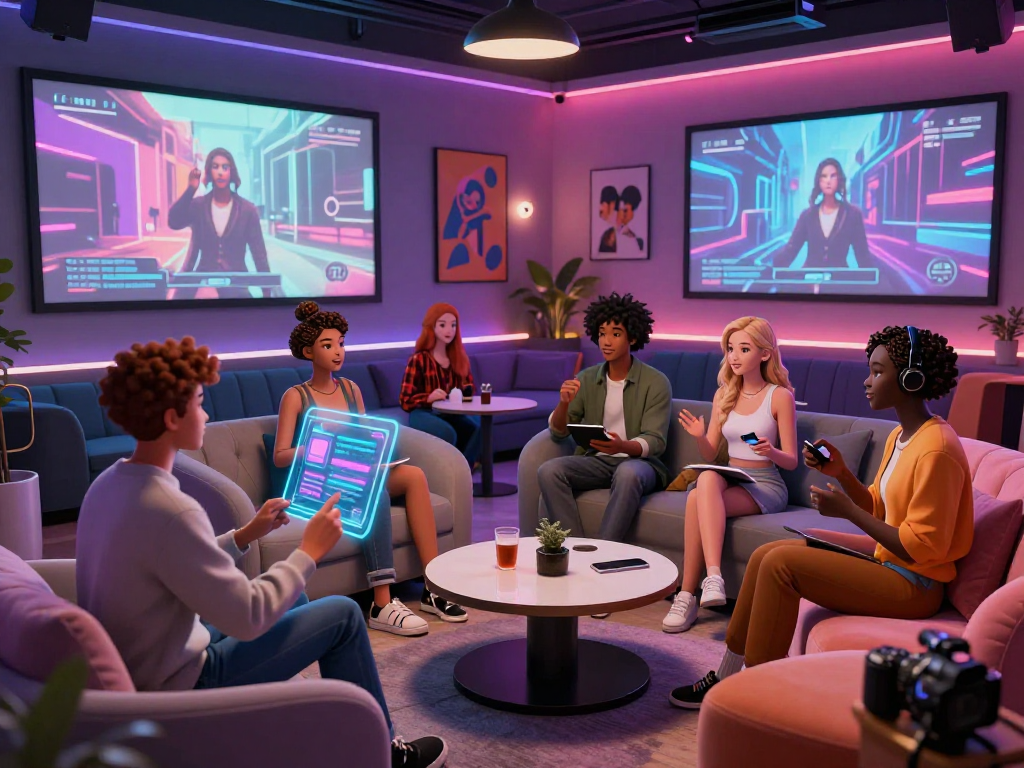
With the rise of augmented reality (AR) and virtual reality (VR), children's art education is experiencing a transformation. These technologies allow children to interact with their artwork in dynamic new ways, enriching their creative experience. For instance, AR applications can bring coloring pages to life, allowing children to see their creations in a three-dimensional space. Such interactive experiences not only captivate young minds but also encourage exploration and innovation.
Interactive and Digital Pages for Engaging Young Minds
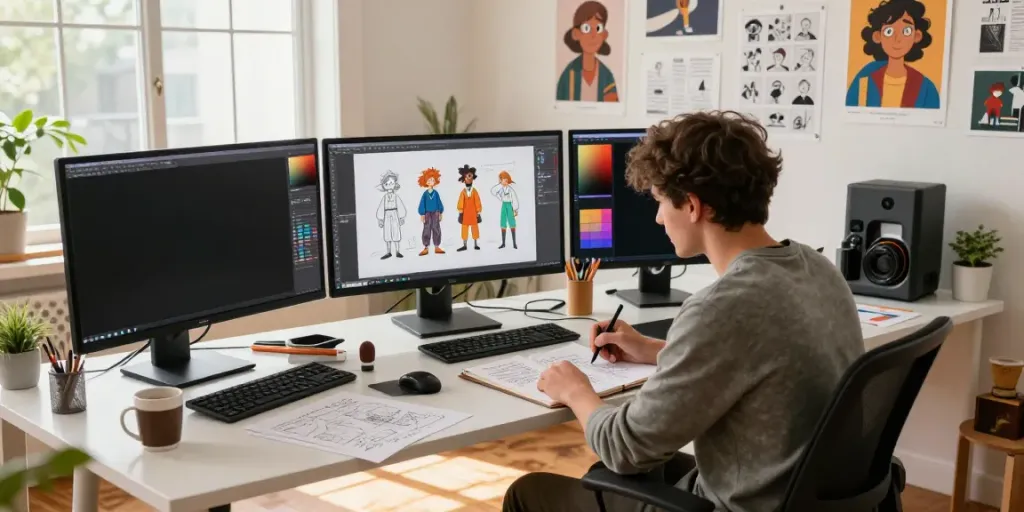
Digital pages have gained immense popularity, especially as remote learning becomes more prevalent. Interactive coloring apps and online art platforms offer children the opportunity to create without the limitations of physical materials. This shift towards digital allows for limitless creativity, enabling children to experiment with colors, styles, and techniques that they may not have access to in a traditional setting.
Inclusivity in Creative Pages: Catering to All Children
In 2026, inclusivity will be a priority in the design of creative pages for kids. Resources will increasingly cater to diverse backgrounds, abilities, and interests. This means creating pages that are accessible to children with disabilities and acknowledging different cultural expressions in art. Providing varied creative outlets ensures that every child can find a medium that resonates with them, fostering a sense of belonging and community.
Creating Effective Pages for Kids: Best Practices
To ensure that creative pages are effective and beneficial for children, certain best practices must be followed. These considerations help maximize the educational potential while keeping engagement levels high.
Incorporating Educational Elements into Fun Activities
Fun activities should never be devoid of educational value. Integrating academic concepts into creative tasks creates a seamless blend of learning and enjoyment. For example, a coloring page can incorporate math problems or vocabulary words related to the images being colored, providing a dual benefit of art and education.
Using Feedback from Parents and Educators
Feedback from parents and educators is invaluable when developing creative pages for kids. Understanding the needs and preferences of both children and their caregivers can lead to the creation of resources that are not only engaging but also relevant. Regular surveys and focus groups can help measure the effectiveness of creative pages in promoting learning and expression.
Design Tips for Engaging and Colorful Pages
Visual appeal is crucial when designing pages for kids. Using bright colors, fun graphics, and themes that resonate with children’s interests can significantly boost engagement. Additionally, including a variety of activities—such as puzzles, drawings, and story prompts—within the same resource can cater to different learning styles and keep children invested in the experience.
Real-World Applications of Creative Pages for Kids
Creative pages extend beyond individual use; they find applications in various settings that promote art and creativity among children. These real-world examples showcase the potential of creative pages in wider contexts.
Case Studies of Successful Art Programs
Many educational institutions and organizations have successfully integrated creative pages into their curricula. For instance, a local school district implemented an arts program that combined art therapy with traditional education, resulting in improved behavioral outcomes and academic performance. Programs like these illustrate the positive impact that structured creative activities can have in educational settings.
Collaboration Between Schools and Art Organizations
Partnerships between schools and art organizations can significantly enrich the educational experience. Such collaborations often result in workshops, exhibitions, and community events that not only promote creativity but also give children a platform to showcase their work. This exposure boosts their confidence and encourages them to continue exploring their artistic abilities.
Community Events Promoting Art for Kids
Community events play a vital role in fostering creativity among children. Festivals, art fairs, and open studios provide children with opportunities to engage with local artists, participate in creative activities, and learn about different forms of art. These events help to cultivate a sense of community and encourage children to take pride in their artistic endeavors.
Measuring Success: Evaluating the Impact of Pages for Kids
As creative pages for kids become increasingly integrated into educational frameworks, measuring their impact is critical. Evaluation helps stakeholders understand what works, what doesn't, and how to improve these resources for future generations.
Key Performance Indicators for Educational Art Programs
Identifying key performance indicators (KPIs) is essential for evaluating the success of art programs. Metrics such as student engagement levels, improvement in creative skills, and feedback from parents can provide valuable insights into the effectiveness of creative pages. Tracking these indicators over time can help program directors make informed decisions about resource allocation and curriculum adjustments.
Gathering Insights Through Surveys and Feedback
Surveys and feedback from children, parents, and educators provide fundamental data regarding the effectiveness of creative pages. Evaluating how children interact with the content sheds light on what resonates with them and where improvements can be made. Testimonials can also highlight the emotional and educational benefits derived from engaging with creative materials.
Future Predictions: The Next Steps for Pages for Kids
As we look towards the future, the evolution of creative pages for kids will likely incorporate more personalization and adaptability. Educational resources will become smarter, using AI to tailor experiences based on individual children’s interests and learning styles. Furthermore, the emphasis on inclusivity will lead to the development of even more diverse materials that resonate with a broad spectrum of children.
How can creative pages enhance children's learning?
Creative pages offer children unique ways to engage with academic content. By providing a canvas for their thoughts and ideas, these resources can enhance retention, foster critical thinking, and promote emotional well-being, all vital aspects of comprehensive education.
What technological tools are shaping the future of children's art?
Emerging technologies, including AI-driven applications and interactive platforms, are set to revolutionize how children engage with art. These tools will provide personalized experiences and enhance creative expression, ensuring that learning remains engaging in an ever-changing digital landscape.
How do parents perceive the value of creative pages for their kids?
Parents generally recognize the value of creative pages in promoting their children's overall development. They appreciate how these resources encourage creativity and self-expression while also providing learning opportunities, ultimately contributing to their children’s success both academically and socially.
What are the challenges in creating inclusive creative pages?
Creating inclusive pages poses several challenges, including ensuring that materials cater to various learning styles and abilities. Balancing accessibility with engaging content requires careful consideration and collaboration with educators and specialists to create resources that genuinely support all children.
How can schools foster creativity using pages for kids?
Schools can foster creativity by incorporating creative pages into their arts curriculum and encouraging cross-disciplinary projects that integrate art with other subjects. Teachers can facilitate workshops, promote collaboration among students, and provide diverse materials that inspire children to express themselves freely.