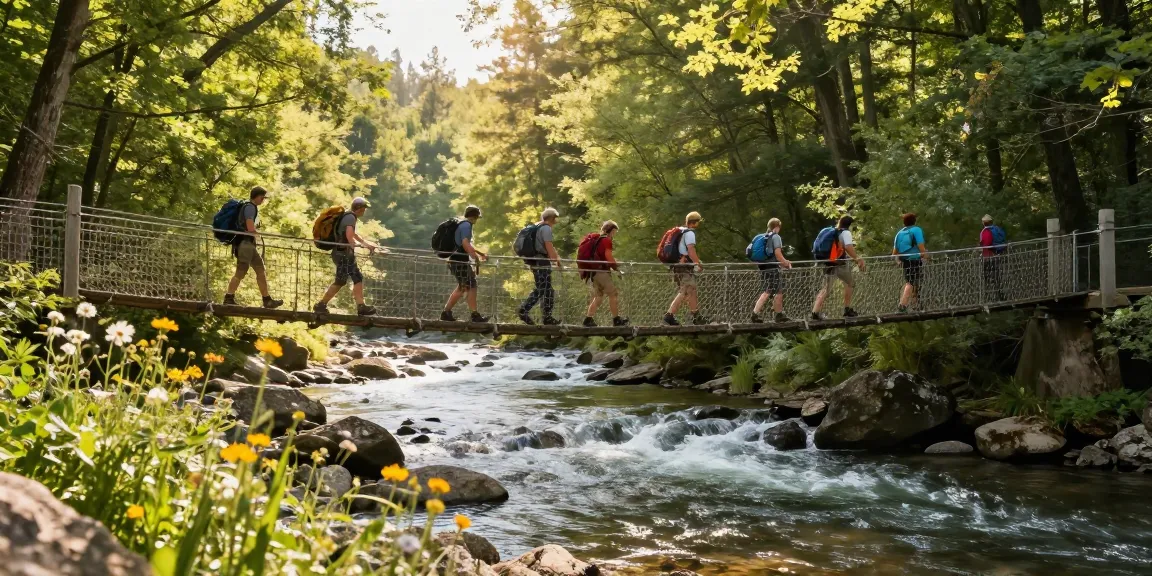
Introduction to River Rope Bridges
Rope bridges have long been a symbol of adventure, spanning rivers and connecting communities in unique ways. These structures, while offering functional access to otherwise difficult-to-navigate areas, also serve as attractions for nature enthusiasts and thrill-seekers alike. For those involved in outdoor recreation or construction, the River Rope Bridge presents a fascinating project that combines engineering, design, and a deep respect for the natural environment. In this comprehensive guide, we will delve into the essentials of planning, constructing, and maintaining a rope bridge, ensuring that safety, aesthetic appeal, and environmental considerations are paramount.
What is a River Rope Bridge?
A river rope bridge is a flexible structure designed to span a body of water, typically connecting two landmasses. It is primarily constructed using ropes and other lightweight materials, making it an ideal solution in challenging terrains where conventional bridges may be impractical or prohibitively expensive. These bridges can vary in scale and design, from simple footbridges to elaborate crossings that accommodate both pedestrians and bicycles.
Key Benefits of River Rope Bridges
- Cost-Effective Solution: Generally, rope bridges are less expensive to construct compared to traditional bridges, particularly in remote or rugged locations.
- Minimal Environmental Disruption: Their lightweight structure means less impact on the surrounding ecosystem, making them ideal for conservation areas and national parks.
- Aesthetic Appeal: Rope bridges often add a picturesque element to outdoor spaces, making them popular in tourist locations and adventure parks.
- Accessibility: They provide vital links in areas where conventional access routes are unavailable, promoting outdoor activities and exploration.
Understanding Safety Standards
Safety should always be the foremost consideration in the design and construction of a river rope bridge. Adherence to local building codes and regulations is critical, as is the use of high-quality materials and thorough construction practices. Regular inspections and maintenance are essential to ensure the bridge remains structurally sound and safe for users.
Design Considerations for River Rope Bridges
Choosing the Right Materials
The materials selected for a river rope bridge are crucial for its durability and safety. Common materials include high-tensile strength ropes, treated timber for the platform, and rust-resistant steel for any supporting hardware. The choice of materials not only impacts the bridge's longevity but also its overall aesthetic, as different materials can enhance or detract from the natural beauty of the site.
Engineered for Stability and Safety
Proper engineering is essential to ensure that a rope bridge can withstand environmental stresses such as wind, rain, and the weight of users. Factors such as load capacity, the weight distribution of materials, and the bridge's overall design must all be meticulously calculated. Engaging a structural engineer with experience in bridge design can provide peace of mind and ensure that safety standards are met.
Incorporating Aesthetic Elements
A rope bridge should not only be functional but also visually appealing. Incorporating local design elements, using colours that complement the surroundings, and adding landscaping features can enhance the overall experience for users. Consideration for the bridge's appearance can turn a vital crossing into a celebrated landmark.
Building Your Own River Rope Bridge
Planning Your Project Step-by-Step
The process of constructing a river rope bridge involves several steps, from initial planning through to the final installation. Begin by assessing the site, identifying the best location for your bridge, and considering any regulatory requirements. Engaging with the community and obtaining necessary permits will be essential before commencing construction.
Tools and Equipment Needed
Constructing a river rope bridge requires specialized tools and equipment, including:
- Heavy-duty ropes and cables
- Wooden beams or metal frames for support
- Anchoring systems
- Safety harnesses and helmets for workers
- Basic hand tools such as wrenches, drills, and saws
Guidelines for Safe Construction
Safety should remain a top priority during construction. Ensure all workers are trained in proper safety protocols, wear protective gear, and follow a clear plan to minimize the risk of accidents. Regularly inspect equipment before use and maintain clear communication among team members throughout the project.
Environmental Impact of River Rope Bridges
Minimising Ecological Footprint
While river rope bridges are designed to be environmentally friendly, their construction and operation can still impact local ecosystems. Careful planning is essential to minimize disturbance to wildlife and plant life. Conducting an environmental impact assessment can aid in identifying potential issues and ensuring the project is sustainable.
Community Engagement in Projects
Involving the local community in the planning and construction process can foster goodwill and support for the project. Hosting informational meetings and soliciting feedback can provide valuable insights and help address community concerns about the bridge's environmental impact.
Long-term Sustainability Practices
Long-term upkeep of the bridge is necessary to preserve its function and aesthetics. This includes regular maintenance checks and a commitment to using sustainable materials whenever possible. Education about usage and care can also promote community responsibility towards the structure.
Future Trends in River Rope Bridge Construction
Incorporating Smart Technology
The integration of smart technology into rope bridge construction offers numerous possibilities, including sensors that monitor structural integrity and usage patterns. This technology can enhance safety and maintenance efforts, ensuring timely interventions when required.
Innovative Designs for Enhanced Safety
As technology advances, new designs focused on increasing the safety and accessibility of rope bridges are emerging. This includes broader walking paths, improved handrails, and non-slip surfaces, making crossings safer for all users, including children and the elderly.
Emerging Trends for 2026 and Beyond
Looking ahead, the trend towards eco-friendly construction materials and practices is likely to grow. Additionally, as outdoor adventure tourism continues to rise, rope bridges will play a crucial role in connecting trails and enhancing outdoor experiences. Emphasising minimal ecological footprints and community involvement will also become more prevalent in future projects.
What are those rope bridges called?
Rope bridges are often referred to as "suspension bridges" or "cable bridges," depending on their design and configuration. They are engineered to allow flexibility and movement, making them suitable for various terrains.
How much does a rope bridge cost?
The cost of constructing a rope bridge can vary significantly based on size, materials used, and location. On average, a simple pedestrian bridge can range from £5,000 to over £50,000, depending on these factors.
Where is the most famous rope bridge located?
The Carrick-a-Rede Rope Bridge, located in Northern Ireland, is one of the most famous rope bridges in the world. It spans a dramatic gorge, offering stunning views and attracting many visitors each year.
What are the best materials for a rope bridge?
High-tensile strength synthetic ropes, treated timber, and corrosion-resistant metals are considered the best materials for constructing a durable and long-lasting rope bridge.
How to ensure safety when crossing a rope bridge?
To ensure safety, adhere to weight limits, use harnesses if necessary, and cross the bridge one person at a time. Regular inspections and maintenance of the bridge are also crucial to ensure its safety for users.