Understanding CNC Machining Parts
CNC machining parts are integral to various industries that require precision components produced in a reliable and repeatable manner. As manufacturers increasingly rely on automation and advanced technology, understanding the nuances of CNC machining is crucial for optimizing production capacity and ensuring quality in the final products. This article will delve into the essential aspects of CNC machining, its benefits, challenges, and future trends that are shaping the industry in 2026.
What Are CNC Machining Parts?
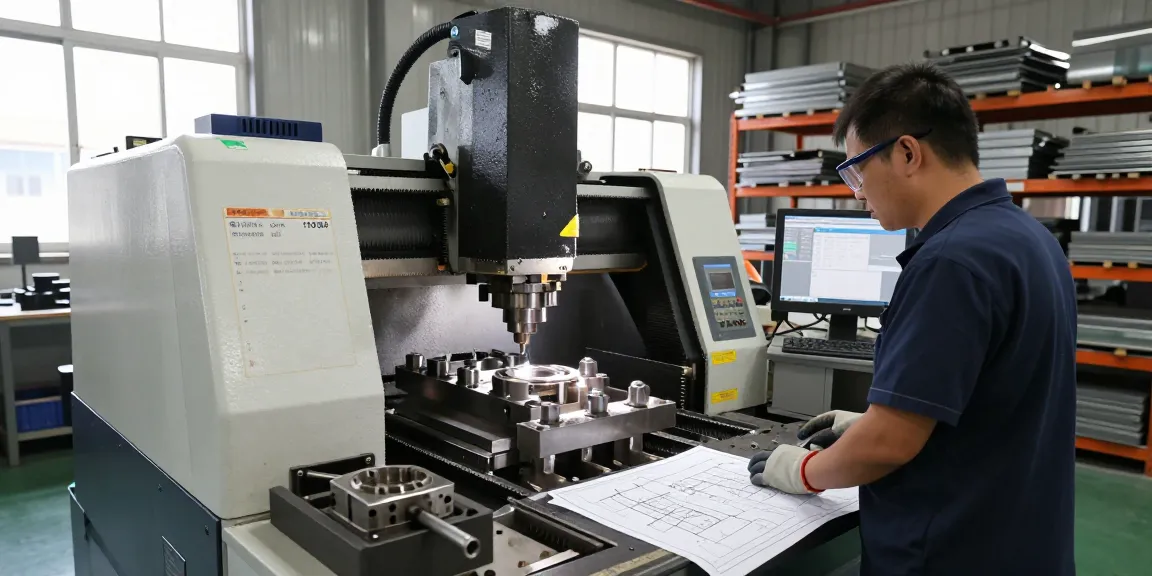
CNC (Computer Numerical Control) machining parts refer to components crafted using CNC machines that utilize pre-programmed software to dictate the movement of factory tools and machinery. The versatility of CNC machining enables the production of a wide variety of parts across different materials, including metals, plastics, and composites. Common examples of CNC machined parts include brackets, housings, shafts, and molds, all of which are critical components in sectors like automotive, aerospace, and electronics.
Key Components of CNC Machining
Understanding the key components involved in CNC machining is essential for comprehending how these parts are manufactured. Critical elements include:
- CNC Controller: This is the brain of the CNC machine, responsible for interpreting the design provided and directing the machine tools accordingly.
- Spindle: The spindle holds and rotates the cutting tool, making it a core feature for shaping the material.
- Cutting Tools: These are specialized tools designed to remove material from the workpiece and can be tailored based on the required specifications.
- Workholding Equipment: Essential for stabilizing the workpiece during the machining process, ensuring precision and safety.
Types of CNC Machining Techniques
CNC machining encompasses various methodologies tailored to specific manufacturing needs. The primary techniques include:
- Milling: Involves rotating cutting tools to remove material from a stationary workpiece, allowing for complex designs.
- Turning: Executed on a lathe, where the workpiece is rotated against a cutting tool, ideal for cylindrical shapes.
- EDM (Electrical Discharge Machining): Utilizes electrical sparks to shape materials, effective in hard metals and intricate designs.
- 3D Printing: Though not traditional CNC, it represents a new frontier where parts are built layer by layer from digital models.
Benefits of Using CNC Machining Parts
Utilizing CNC machining parts offers numerous advantages, significantly enhancing manufacturing efficiency and product quality. Companies looking to integrate cnc machining parts into their operations can expect:
Enhanced Precision and Accuracy
The automated nature of CNC machining allows for exceptionally high levels of precision. Parts can be produced with tolerances as tight as ±0.0001 inches, making them suitable for high-stakes applications in industries like aerospace and medical devices. This precision reduces the need for post-production adjustments, saving both time and resources.
Cost-Effectiveness in Manufacturing
While the initial investment in CNC technology may seem high, the long-term savings are substantial. The automation of processes reduces labor costs, and the consistency of output diminishes waste material, ultimately leading to lower production costs. When scaling production, CNC machining becomes increasingly economical.
Time-Saving Production Processes
CNC machines can operate continuously, significantly reducing the time required to produce parts. The capability to run multiple machines simultaneously enables manufacturers to meet tight deadlines and increased order volumes without compromising quality. Prototyping can also be accelerated through rapid CNC machining, allowing faster market entry for new products.
Common Challenges in CNC Machining Parts Production
Despite its many benefits, CNC machining faces challenges that manufacturers must address to maintain efficiency and quality. Understanding these challenges is crucial in devising effective strategies for overcoming them.
Material Limitations and Selection
Choosing the right material is critical in CNC machining processes. While various materials can be used, some may pose difficulties, such as brittleness or abrasiveness that can wear down tools more quickly. Manufacturers must carefully evaluate material properties to ensure the chosen materials fit the intended application and machining process.
Software and Programming Challenges
CNC machining relies heavily on software for programming and operation. Issues with software compatibility, outdated programs, or errors in G-code can lead to machining inaccuracies or machine downtime. Continuous training and software updates are necessary to mitigate these risks.
Machine Maintenance and Downtime
Regular maintenance of CNC machinery is paramount for optimal performance. Neglecting upkeep can lead to breakdowns, which significantly impact production schedules. Implementing a comprehensive maintenance schedule can reduce unscheduled downtimes and prolong the lifespan of the equipment.
Best Practices for Efficient CNC Machining
To maximize the advantages of CNC machining, organizations should implement best practices that enhance efficiency and product quality. Here are some actionable strategies:
Choosing the Right Tools and Equipment
Selecting appropriate tools that match the materials and desired outcomes is critical. Investing in high-quality, specialized tools can lead to better machining performance and extended tool life.
Implementing Quality Control Measures
Incorporating robust quality control measures at various stages of production helps catch defects early. Regular inspections and using statistical process control (SPC) methodologies can ensure consistently high-quality output.
Optimizing Production Workflows
Streamlining workflows, from design to production, can drastically improve operational efficiency. This may involve optimizing layouts, minimizing material handling, and ensuring effective communication among teams involved in the machining process.
Future Trends in CNC Machining Parts Manufacturing
The CNC machining industry is poised for significant advancements as it embraces new technologies and methodologies. Key trends expected to define the landscape in the coming years include:
Integration of AI and Automation Technologies
The integration of artificial intelligence (AI) and machine learning into CNC machining is set to revolutionize manufacturing. These technologies can analyze production data in real time, predict maintenance needs, and optimize machining parameters for improved efficiency and lower operational costs.
Sustainability in CNC Machining Production
Environmental concerns are pushing manufacturers to adopt sustainable practices. This includes using eco-friendly materials, reducing energy consumption in machining processes, and recycling waste products. Such initiatives not only help in compliance with regulations but also appeal to environmentally conscious consumers.
Emerging Materials and Techniques for 2026
Innovation in materials, such as composites and bio-based plastics, provides new opportunities for CNC machining. These materials often offer superior performance and lower environmental impact, making them attractive options for future applications.
What are the common applications of CNC machined parts?
CNC machined parts find extensive applications across various sectors, ranging from aerospace components, automotive parts, electronic enclosures, to medical devices. Their adaptability allows manufacturers to meet specific industry standards and customer requirements.
How do CNC machining parts compare to traditional machining methods?
Unlike traditional manual machining, CNC machining offers superior precision, repeatability, and efficiency. Traditional methods are often labor-intensive and less consistent, leading to variability in part quality. CNC provides a scalable solution that can accommodate both low-volume prototypes and high-volume production runs.
What factors influence the cost of CNC machining parts?
Several factors impact the overall cost of CNC machined parts, including material choice, complexity of the design, production volume, and machine setup time. Understanding these elements can help manufacturers make informed decisions to optimize their budgets.
How can I find reliable CNC machining parts suppliers?
Identifying trustworthy CNC machining parts suppliers is crucial for consistent quality and timely delivery. Researching supplier certifications, customer reviews, and their ability to accommodate specific design requirements can help in selecting the right partner for production needs.
What advancements are expected in CNC machining technology?
As technology evolves, advancements such as enhanced machine intelligence, faster production speeds, and improved materials processing capabilities are anticipated. These innovations will further refine manufacturing processes and expand the possibilities of CNC machining.